Introduction
Durga Chalisa is one of the most powerful devotional hymns dedicated to Goddess Durga, the supreme embodiment of strength, wisdom, courage, and divine protection. Millions of devotees chant the Durga Chalisa every day to invoke the blessings of Maa Durga for prosperity, happiness, health, and spiritual growth. This sacred prayer consists of forty verses that beautifully describe the divine qualities, miraculous powers, and compassionate nature of the Goddess.
The Durga Chalisa holds a special place in Hindu devotion because it reminds devotees that faith, determination, and righteousness can overcome every obstacle. Whether recited during Navratri, Fridays, Tuesdays, or daily morning prayers, this sacred hymn fills the mind with positivity and the heart with devotion. In this comprehensive guide, you will learn about the history, meaning, benefits, importance, and proper way to recite the Durga Chalisa for maximum spiritual benefits.
What Is Durga Chalisa?
The Durga Chalisa is a devotional hymn composed in praise of Goddess Durga. The word “Chalisa” comes from the Hindi word Chalis, meaning forty, as the hymn contains forty verses dedicated to describing the glory and divine powers of Maa Durga.
The Durga Chalisa portrays Goddess Durga as the destroyer of evil and the protector of righteousness. She is worshipped in various forms, including Mahakali, Mahalakshmi, and Mahasaraswati, representing strength, prosperity, and wisdom respectively.
Reciting the Durga Chalisa is considered a sacred practice that strengthens faith and provides courage during difficult times. Devotees believe that regular chanting creates positive energy and helps remove negativity from life.
History and Spiritual Significance of Durga Chalisa
The Durga Chalisa has been passed down through generations as an important devotional composition in Hindu tradition. It glorifies Goddess Durga’s victories over demons and symbolizes the triumph of good over evil.
Spiritually, the Durga Chalisa teaches that every individual possesses inner strength that can be awakened through devotion and discipline. Maa Durga is regarded as the universal mother who protects her devotees from physical, emotional, and spiritual difficulties.
During Navratri, the Durga Chalisa is recited with great devotion across India and many parts of the world. Temples resonate with its verses, creating an atmosphere of divine energy and collective faith.
Beyond festivals, daily recitation of the Durga Chalisa serves as a reminder to remain fearless, compassionate, and committed to righteous living.
Benefits of Reciting Durga Chalisa Daily
Regular chanting of the Durga Chalisa is believed to bring numerous spiritual and emotional benefits. While these benefits are rooted in religious belief and personal faith, millions of devotees find comfort and inspiration through this sacred prayer.
Some commonly believed benefits of the Durga Chalisa include:
- Strengthens faith and devotion.
- Brings mental peace and emotional stability.
- Removes fear, anxiety, and negative thoughts.
- Invokes divine protection against difficulties.
- Encourages courage during challenging situations.
- Promotes spiritual growth and inner confidence.
- Helps develop patience, discipline, and positive thinking.
- Creates a peaceful environment at home.
- Inspires righteous actions and moral values.
- Brings hope during periods of uncertainty.
The Durga Chalisa is often recited before important life events, examinations, business decisions, or journeys to seek the blessings of Maa Durga.
How to Recite Durga Chalisa Correctly
Reciting the Durga Chalisa with sincerity and devotion is considered more important than following complicated rituals. However, observing a few traditional practices can enhance the devotional experience.
Here are some simple guidelines for chanting the Durga Chalisa:
- Wake up early and take a bath before prayer.
- Wear clean clothes.
- Sit in a calm and peaceful place.
- Place an image or idol of Maa Durga before you.
- Light a diya and incense if possible.
- Offer flowers or fruits with devotion.
- Chant the Durga Chalisa slowly and clearly.
- Focus on the meaning of each verse.
- End the prayer with gratitude and meditation.
Many devotees recite the Durga Chalisa every Tuesday, Friday, and throughout the nine days of Navratri for special blessings.
Meaning and Symbolism in Durga Chalisa
Every verse of the Durga Chalisa carries deep spiritual symbolism. The hymn celebrates Maa Durga as the divine force that destroys ignorance, ego, fear, and injustice.
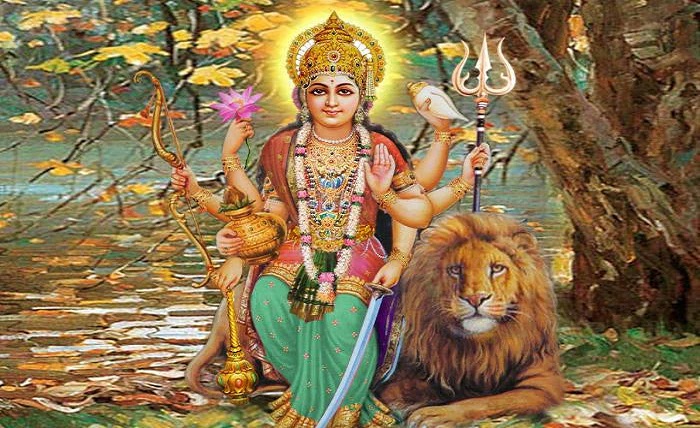
The lion ridden by Goddess Durga symbolizes courage and fearlessness. Her multiple arms represent limitless divine power and the ability to protect devotees in every direction. The weapons she carries signify the destruction of evil qualities and the protection of righteousness.
The Durga Chalisa also teaches that true strength comes from wisdom, compassion, and self-discipline rather than physical power alone. It encourages devotees to develop positive virtues while overcoming anger, greed, jealousy, and negativity.
By understanding the symbolism within the Durga Chalisa, devotees can connect more deeply with its spiritual message rather than simply memorizing the verses.
Importance of Durga Chalisa During Navratri
The Durga Chalisa becomes especially significant during the nine-day festival of Navratri, which celebrates the different forms of Goddess Durga. Devotees observe fasting, perform prayers, and chant the Durga Chalisa to honor the Divine Mother.
Each day of Navratri is dedicated to a different manifestation of Durga, representing various spiritual qualities such as purity, courage, knowledge, compassion, and prosperity.
Reciting the Durga Chalisa during Navratri is believed to:
- Increase spiritual energy.
- Enhance devotion.
- Bring family harmony.
- Remove obstacles.
- Inspire inner transformation.
- Encourage positive thinking.
- Strengthen faith in divine guidance.
The collective chanting of the Durga Chalisa during temple gatherings creates a powerful atmosphere of devotion that inspires countless worshippers.
Why Durga Chalisa Remains Relevant Today
Even in today’s fast-paced world, the Durga Chalisa continues to inspire millions of people. Modern life often brings stress, uncertainty, and emotional challenges, making spiritual practices increasingly valuable.
The Durga Chalisa encourages resilience, hope, and faith during difficult times. Its timeless message reminds devotees that courage and righteousness ultimately triumph over fear and negativity.
Many people include the Durga Chalisa in their daily meditation or morning routine because it helps cultivate inner peace and mental clarity. Families also teach the hymn to younger generations, preserving cultural traditions while promoting values such as kindness, honesty, and perseverance.
Whether someone is deeply religious or simply seeking moments of calm and reflection, the Durga Chalisa offers spiritual comfort and inspiration that transcends generations.
Conclusion
The Durga Chalisa is much more than a devotional hymn—it is a timeless source of strength, hope, and spiritual wisdom. Through its forty sacred verses, devotees remember the divine power of Goddess Durga and seek her blessings for protection, courage, prosperity, and inner peace.
Regular recitation of the Durga Chalisa nurtures faith, promotes positive thinking, and encourages individuals to face life’s challenges with confidence and devotion. Whether chanted daily or during special occasions like Navratri, this sacred prayer continues to inspire millions across the world.
Ultimately, the Durga Chalisa teaches that with unwavering faith, righteous actions, and devotion to the Divine Mother, every obstacle can be overcome and every heart can discover lasting peace.
FAQs
1. What is the Durga Chalisa?
The Durga Chalisa is a sacred Hindu devotional hymn consisting of forty verses that praise Goddess Durga and seek her divine blessings for protection, strength, and prosperity.
2. Can the Durga Chalisa be recited daily?
Yes, the Durga Chalisa can be recited every day. Many devotees chant it in the morning or evening as part of their regular spiritual practice.
3. Is the Durga Chalisa especially important during Navratri?
Yes, the Durga Chalisa is widely recited during Navratri because the festival is dedicated to the worship of Goddess Durga in her various divine forms.
4. What are the benefits of chanting the Durga Chalisa?
According to devotional belief, the Durga Chalisa helps cultivate courage, inner peace, devotion, positivity, confidence, and a sense of divine protection while supporting spiritual growth.
5. Do I need to follow special rituals before reciting the Durga Chalisa?
No elaborate rituals are required. The Durga Chalisa can be recited with a clean mind, sincere devotion, and focused attention. Maintaining faith and respect is considered more important than complex ceremonial practices.