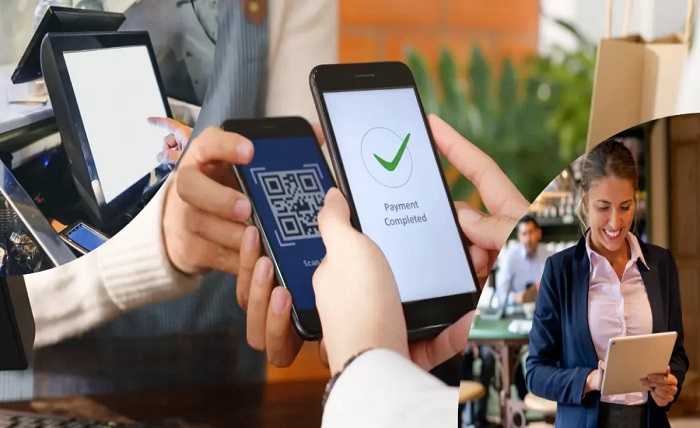
The food industry has evolved far beyond traditional dining experiences. Today, restaurants, cafés, food trucks, and home-based kitchens are embracing digital solutions to improve how they connect with customers. From online ordering systems to social media marketing, technology now plays a crucial role in shaping customer expectations and business success.
One of the most noticeable changes in recent years has been the shift toward digital menus. Customers increasingly prefer convenient, visually appealing, and easily accessible menu formats that they can view on their phones, tablets, or computers before even stepping inside a restaurant.
Why Presentation Matters in the Food Industry
In the hospitality world, presentation is everything. The way food looks, the atmosphere of the space, and the visual branding of a business all contribute to the overall experience. Menus are a key part of this experience because they represent both the brand and the quality of what is being offered.
A well-designed menu can influence purchasing decisions, highlight signature dishes, and communicate professionalism. On the other hand, a cluttered or outdated menu can confuse customers and reduce trust. This is why many food businesses are investing more time and thought into how their menus are designed and presented.
The Shift Toward Digital Menu Creation
Traditional menu design often involved hiring graphic designers or printing large batches of menus that were expensive to update. This made it difficult for small businesses to stay flexible. Today, digital tools are changing that reality by allowing business owners to update prices, add new items, and refresh designs quickly.
Many entrepreneurs now prefer using an online menu maker that you can easily use because it simplifies the entire process. These tools allow users to create professional-looking menus without needing design experience, giving business owners more control over their branding and communication.
Empowering Small Businesses and Independent Creators
Digital menu tools are especially valuable for small businesses. Independent café owners, food truck operators, and home chefs often work with limited budgets and tight schedules. Having access to simple, affordable digital solutions helps them compete with larger brands.
These tools also encourage creativity. Business owners can experiment with layouts, colors, and descriptions until they find a style that truly reflects their brand identity. This level of flexibility was much harder to achieve in the past.
Beyond restaurants, digital menus are now used for events, catering services, pop-up shops, and even personal celebrations. This shows how versatile and valuable these tools have become across different industries.
Enhancing Customer Experience Through Convenience
Modern customers value convenience. They want to preview menus before visiting a restaurant, share them with friends, and access them quickly from their phones. Digital menus make this possible. They reduce waiting times, improve clarity, and offer a smoother overall experience.
A clear and visually appealing menu also helps customers make decisions more confidently. When dishes are well-organized and descriptions are easy to read, customers are more likely to feel satisfied with their choices.
By improving accessibility and usability, digital menu solutions contribute directly to better customer experiences.
The Future of Food Business Goes Digital
As technology continues to evolve, digital solutions will become even more integrated into the food industry. Menus may become more interactive, personalized, and responsive to customer preferences. Businesses that adapt to these changes early will be better positioned to grow and remain competitive.
The future of hospitality will not only be about great food, but also about seamless digital experiences. Restaurants and food brands that combine quality offerings with smart technology will continue to stand out in an increasingly competitive market.